

Consumer Proposal: What Happens to Your Credit Cards?
Learn which accounts lenders may close, how zero-balance and joint debts are treated, payment alternatives, and ways to rebuild after a consumer proposal.
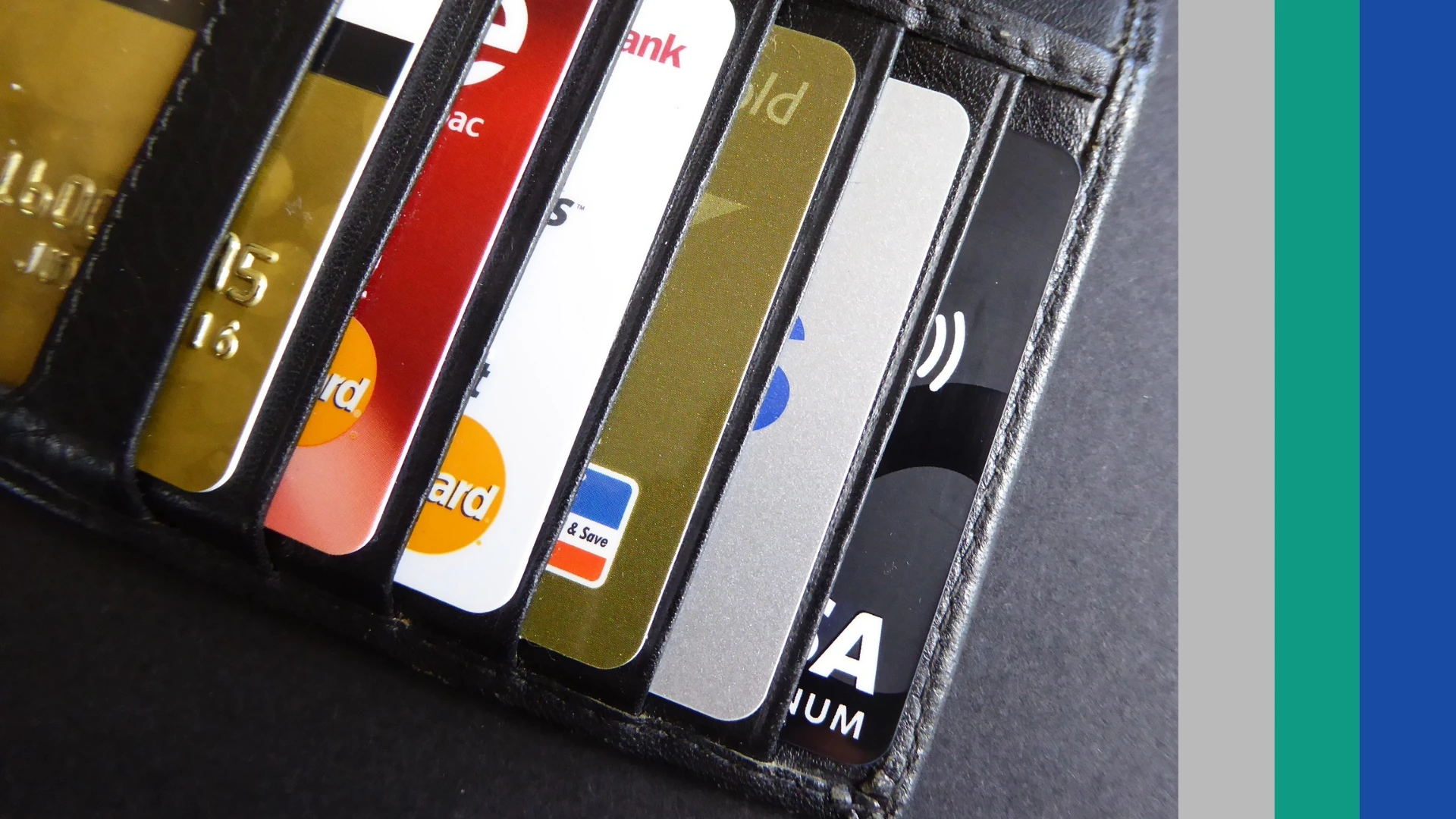
Credit cards often become a lifeline when money gets tight. You use them for groceries, phone bills, subscriptions, car repairs, and work expenses while trying to keep up with everything else. So the thought of losing that access can feel scary.
A consumer proposal is a formal legal debt solution administered by a Licensed Insolvency Trustee. It lets you settle your unsecured debts for a portion of what you owe, interest free, without giving up your assets. Credit cards are usually part of the picture.
This post covers what happens to your existing cards, whether you can keep any, how to manage payments without them, and how to rebuild credit safely.
What Happens to Your Credit Cards in a Consumer Proposal?
In a consumer proposal, credit cards with balances are generally included in the proposal, and the card issuers typically close or freeze those accounts. Once creditors receive notice of the filing, they reassess the account and usually cancel it. You should stop using included cards before filing and not rely on them afterward.
The consumer proposal deals with eligible unsecured debts as of the filing date. New debts you take on after filing are separate and stay your responsibility.
Cards With Balances
Credit card balances are unsecured debts. They get listed in the proposal alongside things like lines of credit, payday loans, and personal loans. As our article on what a consumer proposal is explains, credit cards sit right at the top of the list of debts you can include.
Payments to those creditors run through the consumer proposal process, not through your regular card payments. You make one fixed payment, and the rest of the included debt is forgiven once you finish.
Cards With No Balance
A card with no balance may not count as a debt in the consumer proposal. But the lender can still close it or cut your access based on internal policy or a credit report update. Zero balance does not guarantee the card stays open.
New Charges After Filing
Charges made after the filing date are generally not included in the consumer proposal. That means fresh debt is yours to handle. Avoid using credit while you prepare to file, and ask your Licensed Insolvency Trustee before making any financial moves.
Do You Have to Give Up Every Credit Card?
You should expect that most unsecured credit cards will be closed or unavailable, although the final decision on zero-balance accounts often rests with the card issuer. Cards included in the consumer proposal are normally no longer available for use. Plan as if unsecured cards will not be there.
Why Lenders Close Accounts
Credit card companies reassess risk the moment a formal insolvency filing shows up. Closing accounts is a common internal policy. It is nothing personal, just how most lenders handle the change.
Why You Should Not Prefer One Card Over Another
A consumer proposal treats unsecured creditors according to a legal process. Continuing to pay one included card on the side can create problems. If you are tempted to keep one card current, talk to your Licensed Insolvency Trustee first.
Can You Keep a Credit Card With a Zero Balance?
You may have a zero-balance card that is not part of the consumer proposal, but the card issuer can still close it or change the account terms. Do not assume the card stays active. Speak with your Licensed Insolvency Trustee before relying on any existing card.
Bank Policies Vary
Some lenders close every card once they learn of the filing. Others decide case by case. No Licensed Insolvency Trustee can promise a lender will keep a card open, as we note in our article on how a consumer proposal affects your credit.
Why Planning Ahead Matters
Move recurring payments off your cards before access changes. Identify every bill tied to a card, and set up alternative payment methods. A little preparation saves you missed payments and late fees.
What If You Need a Card for Work, Travel, or Online Payments?
If you need a card-like payment method, you may need alternatives such as debit, prepaid, secured credit, or employer-issued cards instead of your existing unsecured cards. People rely on cards for hotel deposits, car rentals, subscriptions, and online purchases. Availability depends on your situation and each provider’s rules.
Debit and Visa Debit Options
Debit-based payments work for many online purchases and bills. But some merchants still require a traditional credit card, so debit will not cover every situation.
Prepaid Cards
Prepaid cards use funds you load rather than borrowed money. They can help with budgeting. Most do not build credit, so treat them as a spending tool, not a rebuilding one.
Secured Credit Cards
A secured card requires a deposit as collateral. Used carefully and reported to the credit bureaus, it can help you rebuild payment history. Compare fees and terms before you sign up.
Employer-Issued Cards and Expense Policies
If your job depends on card expenses, talk to your employer. A company card, direct billing, an advance, or faster reimbursement may cover work costs without your own credit.
What Happens to Joint, Supplementary, or Authorized User Cards?
Joint or co-signed credit card debt may still be collectible from the other person, while authorized user responsibility depends on the account structure. Bring all shared credit details to your consultation so nothing gets missed.
Joint Cardholders and Co-Borrowers
If both people are legally responsible for an account, a proposal by one person does not erase the other’s obligation. The creditor can pursue the non-filing person for the balance.
Supplementary and Authorized Users
The primary cardholder is usually responsible for charges, not the authorized user. But account agreements vary. Confirm who is legally liable before you file.
Spouses and Family Members
A consumer proposal is individual unless both people file. One person’s filing does not automatically include a spouse’s separate debts. Only shared or co-signed debts touch the other person.
How Will Losing Credit Cards Affect Your Monthly Budget?
Losing credit card access means your budget relies on income and cash rather than revolving credit, which can support a more stable repayment plan. It can feel hard at first, especially if cards were covering shortfalls. Your proposal payment should be built around a budget you review with your Licensed Insolvency Trustee.
Replacing Card-Based Bill Payments
Update utilities, phone, insurance, subscriptions, and memberships to debit or bank withdrawal where you can. Do this before your card access changes so nothing lapses.
Building a Small Cash Buffer
Even modest savings reduce the need to borrow when something breaks. Start small and stay consistent. A little set aside each payday adds up over time.
Working With an Affordable Proposal Payment
A Licensed Insolvency Trustee reviews your income, expenses, assets, debts, and creditor expectations when preparing a proposal. The goal is a payment you can actually manage.
How Does a Proposal Affect Your Credit Report and Future Borrowing?
A consumer proposal appears on your credit report and can make new borrowing harder for a time, but responsible financial habits can support gradual credit rebuilding. Each included account is typically reported with an R7 rating. Records generally stay on your report for up to three years after completion or six years from filing, whichever comes first.
Credit Report Notation
The proposal shows in the public records section and on each included account. Check both Equifax and TransUnion for accuracy so the details reflect your situation correctly.
Access to New Credit
New unsecured credit is harder to get during and shortly after a proposal. Offers you do see may carry higher interest or fees. Approach any new borrowing with caution.
Avoiding High-Cost Credit
Be careful with payday loans, high-fee cards, and financing offers that strain your budget. These can undo the progress a proposal is meant to give you.
How Can You Rebuild Credit After Your Cards Are Closed?
You can rebuild credit by making required payments on time, using any new credit cautiously, checking your reports, and avoiding new debt your budget cannot support. Rebuilding takes time and consistency. Our guide on rebuilding credit after a proposal walks through the timeline in more detail.
Make Proposal Payments on Time
Timely payments keep your proposal in good standing. They also build the steady habit that supports long-term stability.
Use New Credit Carefully
If a secured card becomes available, keep it simple. Make small purchases, pay the balance in full each month, keep the balance low, and skip cash advances.
Review Your Credit Reports
Check both major bureaus for incorrect balances, duplicate accounts, or debts that should be marked as part of the proposal. Fixing errors early helps your score recover.
When Should You Speak With a Licensed Insolvency Trustee?
You should speak with a Licensed Insolvency Trustee before filing or using credit further so you understand how your cards, debts, and budget may be affected. This matters most if cards are covering necessities, you face collection calls, you have CRA debt, or you share debts with a spouse.
Before You Stop Paying or Transfer Balances
Balance transfers, cash advances, or paying one creditor over another before filing can create problems. Professional advice helps you avoid mistakes that complicate your case.
When Credit Cards Are Covering Essentials
If cards are paying for food, rent, utilities, or minimum payments on other debts, it may be time to review your full financial picture. That pattern often signals deeper trouble worth addressing.
How a Free Consultation Can Help
Hudson & Company Licensed Insolvency Trustees Inc. offers free, no-obligation consultations in Calgary. A Licensed Insolvency Trustee can review your options and explain the legal processes without pressure.
Frequently Asked Questions
Can I get a new credit card while in a proposal?
It may be possible, but approval depends on the lender. Any new credit should be used cautiously and only if it fits your budget. A secured card is often the most accessible option during a proposal.
Will my bank account be closed if my credit card is included?
A bank account is separate from a credit card. But if you owe money to the same bank, ask a Licensed Insolvency Trustee about set-off risks and whether moving to another bank makes sense.
Can I use someone else’s credit card after filing?
You may be able to use another person’s card with their permission. But the primary cardholder stays responsible for the charges, so both of you should understand that risk before you do.
Are business credit cards treated differently?
Business cards can be more complex, especially with personal guarantees, corporate debts, or shared liability. Review the details with a Licensed Insolvency Trustee before assuming how they will be handled.
What happens to reward points when a card is closed?
Reward points may be lost or restricted depending on the issuer’s terms. Review your card agreement before the account closes so you can redeem what you can while you still have access.
Take the Next Step With Clear Guidance
Credit cards are usually closed or frozen when they are included in a formal proposal. But losing card access does not mean losing control of your money. With a budget and a clear plan, many people find their finances become steadier, not harder.
Get personalized advice before making decisions about credit, payments, or filing. Hudson & Company Licensed Insolvency Trustees Inc. can explain a consumer proposal and other options based on your situation. When you are ready, you can request a free, no-obligation consultation.